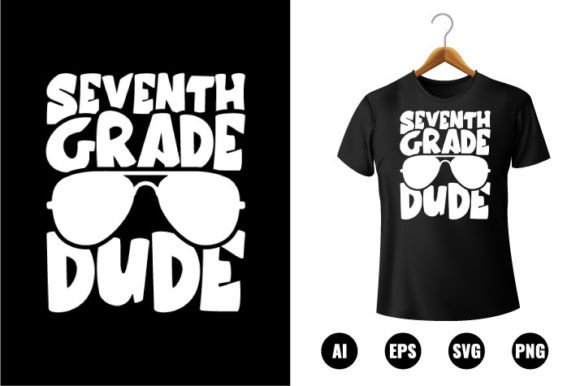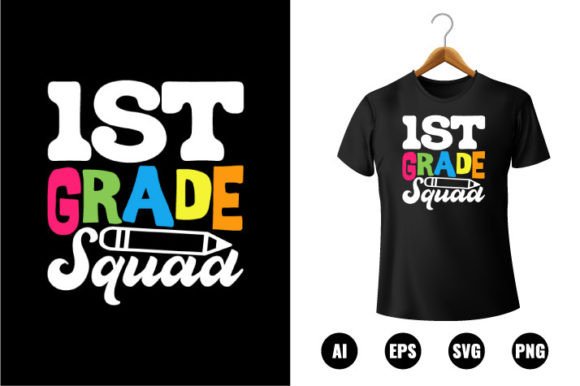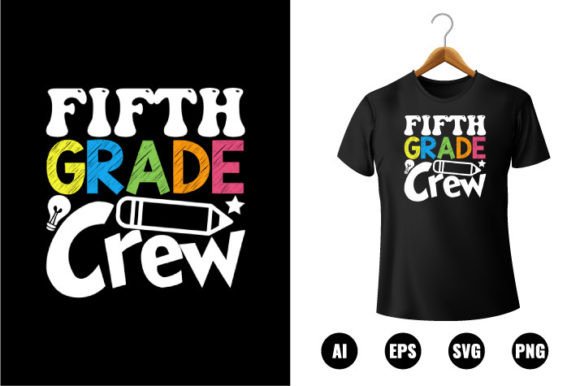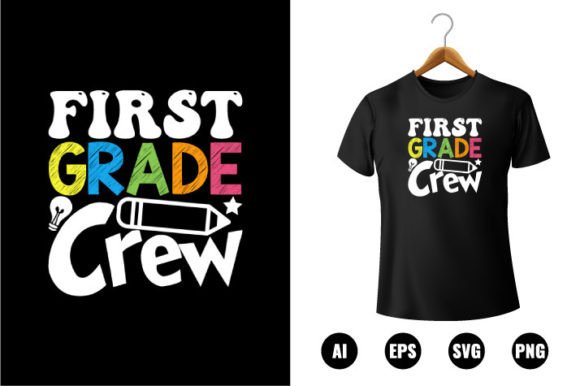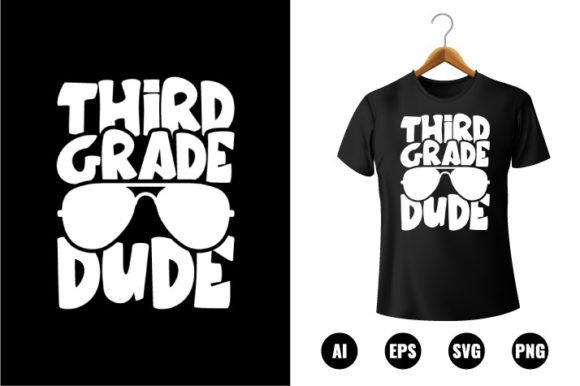
3rd Grade Dude T-shirt Design: Graphics for Real Publishing
As a blog designer who’s built over 40 content-rich websites—and shipped thousands of editorial graphics—I opened the 3rd Grade Dude T-shirt Design file with one question: “Does this hold up in real publishing?” Not as clip art. Not as a standalone SVG. But as part of a live workflow: a featured image beside a headline about Back-to-School routines, a Pinterest pin driving traffic to a printable classroom checklist, or a newsletter banner teasing a free digital guide for elementary educators.
First impression? It’s warm, grounded, and unmistakably *child-centered*—not cutesy, not chaotic, but confidently playful. The design leans into bold outlines, friendly proportions, and intentional negative space—making it feel both hand-drawn and digitally polished. That balance is rare. It reads as educational without being textbook-dull, spirited without veering into cartoon overload. For bloggers covering elementary learning, homeschool resources, teacher toolkits, or family-friendly seasonal content, this graphic design asset lands with immediate editorial resonance.
Where This Graphic Design Asset Earns Its Place in Your Workflow
This isn’t just a T-shirt Designs download—it’s a versatile visual anchor for multiple touchpoints across your content ecosystem:
- Blog featured images that pair cleanly with headlines like “10 Back-to-School Printables Your 3rd Graders Will Actually Use”
- Pinterest pins optimized for search terms like “third grade classroom decor” or “teacher gift ideas”—where recognizability at thumbnail scale matters more than fine detail
- Digital guides and lead magnets, especially those targeting parents and educators—think downloadable checklists, behavior charts, or reading logs where the 3rd Grade Dude T-shirt Design adds warmth and thematic clarity
- Newsletter headers and email banners that reinforce brand voice before a single word is read
- Canva templates for small business branding—teachers selling lesson plans, tutors launching summer camps, or creative entrepreneurs building themed printables
- Social media graphics for Instagram carousels or Facebook posts highlighting classroom wins, growth milestones, or lighthearted “surviving third grade” moments
How It Strengthens Editorial Trust and Click-Through Potential
Readers decide in under two seconds whether your content feels credible, relevant, and worth their time. A strong graphic design asset like the 3rd Grade Dude T-shirt Design supports that decision instantly. It establishes visual hierarchy by anchoring focus—no competing elements, no ambiguous tone. When placed beside clean typography, it signals consistency and care. That translates directly to improved reader trust, higher scroll depth, and stronger click-through rates on affiliate links embedded in related posts (e.g., recommending kid-friendly backpacks or STEM kits alongside the design).
For content marketers and affiliate marketers, this matters deeply. A cohesive visual identity—reinforced across blog graphics, social media graphics, and digital product covers—builds category recognition. Over time, your audience begins associating that friendly, confident aesthetic with your authority on elementary education topics. That’s brand identity built through repetition, intention, and smart asset reuse—not just logos or color palettes.
Best Places to Deploy This Design Asset
It shines brightest where personality meets purpose:
- Hero images above long-form articles about student engagement strategies
- Article thumbnails in category archives—especially for “Back to School,” “Elementary Resources,” or “Printable Design” sections
- Pinterest pins sized at 1000×1500px—its balanced composition holds up even when cropped or scaled
- Content upgrades like editable worksheets or classroom posters where the design acts as both branding and functional illustration
- Digital download covers for eBooks or mini-courses aimed at new third-grade teachers
- Social media previews—particularly LinkedIn posts targeting curriculum coordinators or school administrators who appreciate approachable professionalism
Use With Intention—Not Everywhere
This graphic design asset thrives in joyful, learner-focused contexts—but it’s not universally scalable. Avoid placing it in:
- Small mobile thumbnails without supporting context (it loses nuance at under 200px width)
- Text-heavy blog graphics where legibility competes with illustrative detail
- Low-contrast backgrounds (e.g., light gray on off-white) that mute its visual weight
- Buses layouts—like multi-column resource roundups—where it can visually overwhelm supporting content
- Serious professional niches (e.g., K–12 policy analysis or edtech SaaS blogs) unless intentionally juxtaposed for contrast or storytelling effect
Publisher Notes You Can’t Skip
Before dropping this into production, run these checks:
- Preview it inside your actual blog layout—not just in isolation—to assess spacing, alignment, and typographic harmony
- Test it over serif fonts (for editorial gravitas), sans serifs (for modern clarity), and handwritten styles (to gauge tonal cohesion)
- Check contrast against your site’s primary background colors using browser dev tools or free contrast checkers
- Convert to grayscale to verify readability and tonal separation
- Verify file size—optimize SVGs for web use and compress PNGs without sacrificing edge clarity
- Confirm commercial license terms: this is a digital download intended for use in monetized websites, affiliate marketing pages, and paid digital products—so ensure redistribution rights align with your use case
Ultimately, the 3rd Grade Dude T-shirt Design works because it’s designed for *use*, not just display. It supports real content marketing goals—from increasing time-on-page to reinforcing brand identity to elevating the perceived value of your digital guide or printable design. In a landscape flooded with generic stock illustrations, this asset delivers specificity, warmth, and quiet professionalism. That’s how great graphic design assets earn their place—not as decoration, but as infrastructure for trust, clarity, and connection.