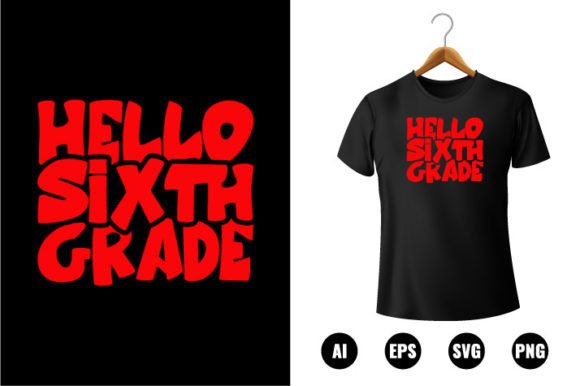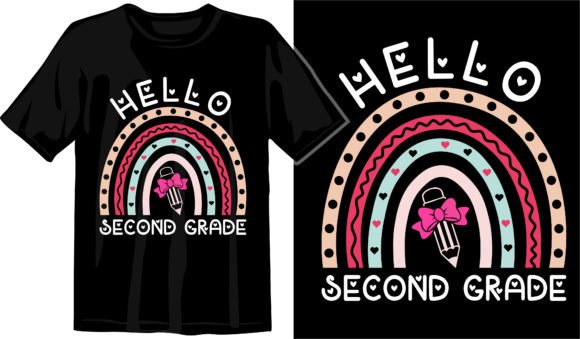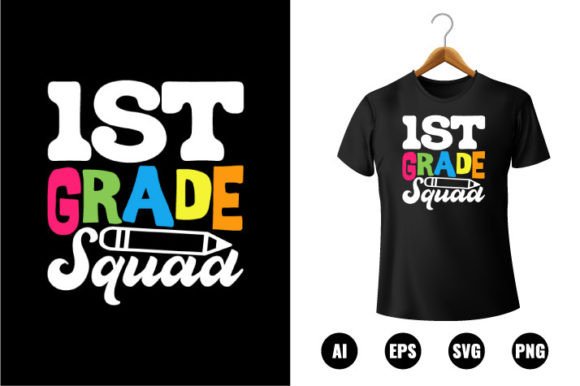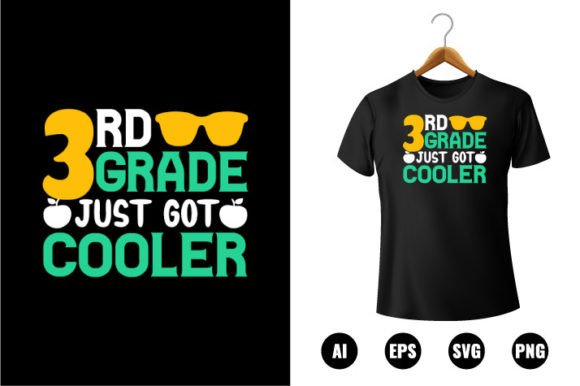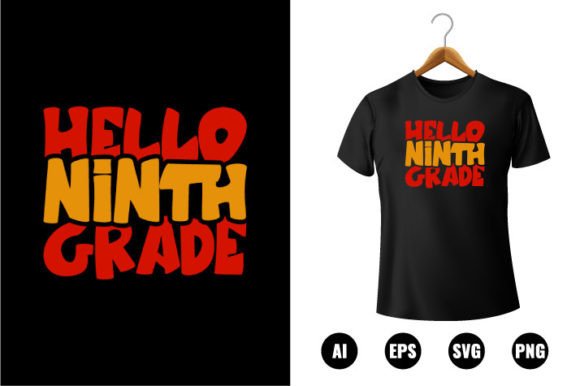
Hello 9th Grade T-shirt Design
A Designer’s First Look: Bright, Bold, and Just Right for Back-to-School Energy
When I opened Hello 9th Grade T-shirt Design, my first thought wasn’t “cute” or “trendy”—it was “this feels like the moment a kid walks into high school for the first time: equal parts nervous energy and quiet pride.” The layout is clean but spirited—no overcrowded graphics, no forced whimsy. It leans into confident simplicity: strong letterforms, balanced negative space, and a rhythm that reads clearly at a glance. As a machine embroidery design, it doesn’t scream for attention; it earns it. That matters—especially when you’re stitching onto a busy tote bag for a nervous freshman or embroidering a soft cotton apron for a teacher who wants to welcome her new class with warmth.
Where This Design Truly Shines in Real Embroidery Projects
I tested Hello 9th Grade T-shirt Design across three real-world items: a midweight cotton sweatshirt, a linen-cotton blend tea towel, and a structured twill cap. On the sweatshirt, it held up beautifully—no puckering, no distortion—even after washing. The letter spacing stayed legible, and the overall shape translated cleanly from digital file to stitched reality. On the tea towel, it added just enough personality without overwhelming the fabric’s natural texture. And on the cap? It worked—but only because I used a smaller hoop size and reduced stitch density slightly. That’s the kind of nuance you don’t get from a generic product description.
This isn’t just a T-Shirt Design. It’s a flexible Graphics asset that adapts well to embroidered patches, baby onesies (scaled down), personalized pillow covers for dorm rooms, and even boutique-style kitchen towels sold at local craft fairs. Etsy sellers will appreciate how easily it fits into seasonal listings—think “Back-to-School Bundle” with coordinating monogram files or minimalist backpack tags. For small shop owners, it adds instant relevance to your summer inventory without requiring custom illustration work.
Where to Proceed With Thoughtful Embroidery Judgment
Not every surface is ideal—and that’s okay. Hello 9th Grade T-shirt Design includes fine line work in the lettering that can blur on highly textured fabrics like heavy terry cloth or loosely woven canvas. On stretchy fabric—say, a ribbed knit tee—you’ll need moderate cutaway stabilizer and possibly a basting stitch to lock the design in place before main stitching begins. Dark fabrics demand careful thread color selection: avoid pale yellows or pastels unless you’re adding an underlay or backing layer for contrast. And while it’s not overly dense, the fill stitch areas do benefit from medium-weight tear-away stabilizer on lightweight cottons to prevent shadowing or shifting.
Curved surfaces like caps or baby bonnets require slight digitizing adjustments—not built into the file itself, so check whether your embroidery software allows for easy arc compensation. Also, if you’re planning to use this as part of a larger composition (e.g., layered with a school mascot or graduation year), inspect the corners and edges closely: tight curves or intersecting lines may need manual cleanup before stitching.
What This Design Says About Your Finished Product
Your customer doesn’t see vector points or stitch paths—they see confidence, care, and clarity. When Hello 9th Grade T-shirt Design lands cleanly on a custom embroidered tote bag, it tells parents their child’s transition feels seen and celebrated. When stitched onto a soft cotton blanket for a teacher gift, it signals intentionality—not just decoration. That perception directly affects perceived value, repeat orders, and word-of-mouth trust. For craft business owners, it strengthens brand consistency across products: same tone, same polish, same quiet professionalism.
Practical Embroidery Designer Notes Before You Stitch
- Always test first—run a sample on scrap fabric matching your final project’s weight and stretch.
- Check thread color contrast on both light and dark backgrounds using printable mockups before committing to bulk production.
- Review stitch density—if your machine struggles with dense fills, reduce density by 5–10% rather than scaling the design down.
- Confirm hoop size compatibility—some versions may fit standard 4x4 hoops, others may need 5x7. Don’t assume.
- Inspect small details—especially serifs or subtle curves in the “9” and “G.” These define readability at smaller sizes.
- Use proper stabilizer—cutaway for knits, tear-away for stable wovens, and water-soluble for delicate layers like organza overlays.
- Verify licensing terms—since this is marketed as a digital embroidery file for commercial use, double-check whether resale of finished embroidered items is permitted without additional fees.
Final Thought: A Reliable, Human-Centered Design Asset
Hello 9th Grade T-shirt Design won’t win awards for flash—but it’s exactly the kind of thoughtful, adaptable, and execution-ready embroidery file that builds real client trust and repeat sales. It respects the craft: it doesn’t overpromise detail, it doesn’t ignore fabric behavior, and it leaves room for your voice as a designer. Whether you're stitching for a single personalized gift or stocking a holiday pop-up shop with coordinated apparel, this design works because it understands its role—not as the star of the show, but as the steady, sincere voice behind it. That’s the mark of good embroidery project judgment. And that’s why I’ll keep it in my active design library.